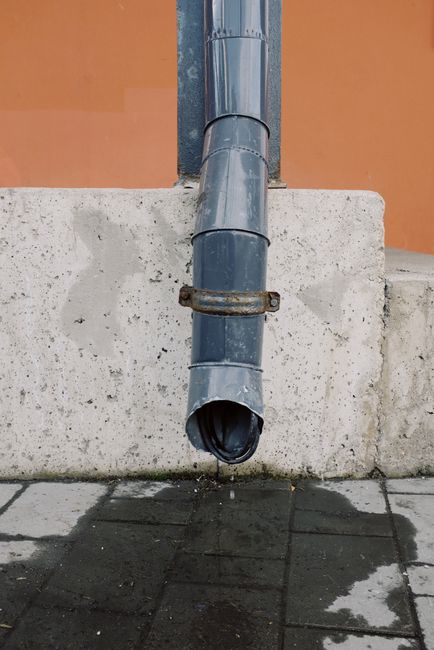
Emergency drainage gardeners Twickenham Green urgent repairs
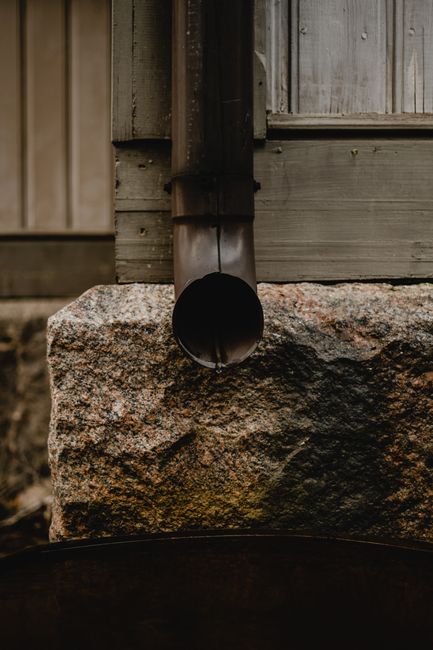
When a garden starts holding water, the ground goes soft underfoot, or runoff begins creeping toward your patio and boundaries, you do not want a vague answer or a next-week appointment. You want Emergency drainage gardeners Twickenham Green urgent repairs that deal with the problem quickly, sensibly, and without making a drama out of it. That is especially true in a place like Twickenham Green, where a blocked soakaway, compacted soil, or poor surface grading can turn a perfectly ordinary garden into a soggy mess after a heavy shower.
This guide explains what urgent drainage repair work actually involves, how the process works, what to expect on the day, and how to avoid the common mistakes that make a small issue much worse. We will also look at practical decisions, safety, best practice, and where related garden services such as garden maintenance, garden clearance, and landscaping can help prevent repeat problems later on.
Truth be told, drainage issues are rarely just "a bit of standing water". They often point to a wider problem underneath the surface. So let's break it down properly.
Why emergency drainage repairs matter
Drainage problems in a garden are not just annoying; they can become expensive if they are ignored. Water that has nowhere to go starts finding the weakest route. That might mean mud against the house, pooling around steps, erosion near borders, slippery paths, or repeated waterlogging around lawns and planting beds. If you have timber features, sleepers, fencing posts, or decking, long-term saturation can shorten their lifespan too.
Emergency repairs matter because speed limits damage. A blocked channel, collapsed pipe, clogged gully, or badly graded bed may begin as a nuisance, then quietly shift into structural risk. And in winter, after a storm, that risk can feel very immediate. One minute the garden looks merely untidy; the next it feels like a shallow pond with shoes on.
There is also a practical everyday angle. If water is sitting where people walk, you have a slip hazard. If it is sitting near the house, you may end up with damp issues, unpleasant smells, or repeated saturation of the same patch of ground. Nobody wants to stand at the kitchen window watching the rain and wondering whether the garden will cope this time. That's not a great feeling.
Expert summary: The real value of urgent drainage repairs is not just removing water fast. It is finding the cause, stabilising the area, and stopping the problem from coming back after the next heavy downpour.
For wider garden upkeep that helps prevent drainage trouble from building up again, many homeowners also keep on top of lawn mowing, hedge trimming, and general garden maintenance. Small jobs really do make a difference.
How emergency drainage repairs work
Urgent drainage work usually follows a fairly simple pattern, even if the site itself is messy. The first task is to identify where water is entering, where it is trapped, and where it should have been flowing. That sounds obvious, but gardens can be deceptive. Water often appears to pool in one place while the real blockage sits several metres away.
A proper emergency visit usually begins with a visual inspection. The gardener or drainage specialist may look at the slope of the ground, the condition of channels and gullies, signs of silt build-up, crushed outlets, overgrown edges, or areas where foot traffic has compacted the soil. In some gardens, roots are part of the issue. In others, the problem is simply years of gradual build-up and poor surface flow.
After that, the repair method depends on the cause. Common urgent actions include clearing debris, reopening channels, lifting leaves and sludge, improving outlet flow, resetting surface levels, or making a temporary water path so the site can dry out safely. In more involved cases, the team may need to expose a section of pipework or rework a flooded bed to restore drainage.
It is worth saying this clearly: not every "emergency" needs heavy machinery. Sometimes the job is fast and practical. Sometimes it needs careful digging, a bit of judgement, and no unnecessary disturbance. The best people do not rush to the biggest fix; they choose the right one.
If the flooding is linked to a bigger layout issue, it may be sensible to discuss broader improvements through landscape gardening or related services overview planning, so the repair is not just a patch-up.
Key benefits and practical advantages
There are a few obvious benefits to fast drainage repairs, but the real value tends to show up in everyday use. You notice it when you can walk across the lawn without sinking. You notice it when the garden stops smelling earthy and stale after rain. You notice it when plants recover instead of sitting in cold, wet soil for days.
- Reduced flooding risk: Standing water is dealt with before it spreads.
- Safer access: Paths, steps, and entrances are less slippery.
- Better plant health: Roots can breathe properly again.
- Less surface damage: Lawns, borders, and hard landscaping suffer less erosion.
- Lower repeat costs: A good fix now can prevent multiple callouts later.
- More usable outdoor space: The garden becomes practical again, not just decorative.
There is also a quieter benefit that people sometimes overlook: peace of mind. Once drainage is stable, you stop checking the weather forecast with a sense of dread. That alone can be worth a lot, especially in a damp week when every cloud looks a bit personal.
Where garden features are already in poor shape, repairs can be paired with supportive work like garden clearance to remove blockages, or landscaping to improve levels and runoff in a more lasting way.
Who this is for and when it makes sense
This service is for anyone dealing with urgent water problems in a garden or outdoor area. That could be a homeowner with a newly flooded lawn, a landlord worried about access paths, or a property manager handling recurring waterlogging after rain. In Twickenham Green, it is especially relevant where mature gardens, older boundary layouts, and compacted soil can combine in awkward ways.
It makes sense to call for urgent repair help when you see any of these signs:
- Water pooling that does not clear after rain
- Mud or silt washing across patios or paths
- Gurgling, slow-draining, or foul-smelling outlets
- Soft ground that feels unstable underfoot
- Repeated flooding in the same area
- Plants yellowing or rotting due to waterlogged roots
- Visible blockage in a gully, channel, or outlet
Sometimes the problem shows up after a separate bit of work. A big tidy-up, poorly directed washing-down, or overgrown edges being cut back can reveal hidden drainage faults. That is not unusual. Gardens have a habit of hiding things until the rain comes along and tattles.
If the issue began after a storm or a heavy period of leaf fall, a combination of maintenance and repair may be needed. In those cases, a routine visit from garden maintenance can reduce the chance of another emergency later on.
Step-by-step guidance
Here is the most sensible way to approach urgent drainage repairs in a garden without wasting time or making the problem worse.
- Stop adding water to the area. Avoid hose use, pressure washing, or extra watering near the affected zone.
- Identify the worst point first. Find where water is sitting deepest and where people are most likely to step.
- Check visible outlets and channels. Look for leaves, soil, broken covers, displaced edging, or compacted debris.
- Take note of the pattern. Is the issue localised, or does it appear after every rainfall? That distinction matters.
- Protect surfaces and access routes. Move items, stop foot traffic if possible, and keep the area safe.
- Choose the least disruptive effective fix. Clear the blockage, restore flow, or re-level the surface where needed.
- Test the flow again. Once repairs are made, check whether water now moves away correctly.
- Plan follow-up prevention. Consider edge management, soil improvement, or landscape changes to stop recurrence.
That sequence sounds simple because, to be fair, the best emergency drainage work usually is simple in principle. The hard part is spotting what actually failed. A rushed guess can send you down the wrong path. And in drainage, wrong paths are kind of the whole problem.
If the issue includes fallen branches, root obstruction, or unsafe tree growth around the drainage line, you may need support from tree lopping and removal before the water problem can be solved properly.
Expert tips for better results
There are a few practical habits that make urgent drainage repairs more effective and less stressful. None of them are flashy, but that is usually how good garden work goes.
- Do not ignore the first signs. A small patch of standing water can be the warning before a bigger failure.
- Keep debris away from outlets. Leaves and soil are the usual suspects, especially after windy weather.
- Check slopes and low points. Water follows gravity, not wishful thinking.
- Look beyond the wet patch. The cause is often uphill, behind a border, or hidden under compacted turf.
- Use repairs as a chance to improve the layout. A drainage fix works better when the surrounding garden is also considered.
- Be realistic about root causes. Some gardens need more than a clean-out; they need regrading or structural changes.
One useful rule of thumb: if the same wet area returns again and again, the garden is telling you the problem is structural, not seasonal. That distinction saves time. It also saves a few headaches, which is always welcome.
For clients who want to improve the whole garden rather than just the immediate fault, combining urgent repairs with landscape gardening or even smaller tidy-up work can create a more resilient result. A dry garden tends to be a happier one, simple as that.
Common mistakes to avoid
People often make drainage worse by trying to be helpful too quickly. Fair enough, when your garden is flooded, you want action. But some quick fixes simply move the problem around instead of solving it.
- Covering the puddle instead of fixing the cause. Hiding the symptom does not help the flow.
- Digging randomly. One wrong shovel line can damage pipes, roots, or levels.
- Adding soil in the wrong place. Extra soil can redirect water straight toward the house or path.
- Letting blocked channels stay blocked. A little sludge becomes a lot of sludge, fast.
- Forgetting access safety. Wet timber, slick paving, and deep mud are not worth stepping into casually.
- Assuming every issue is the same. Surface pooling, pipe blockage, and root intrusion all need different fixes.
A surprisingly common mistake is over-trimming or clearing around a wet area without thinking through what the vegetation was actually doing. Sometimes plants and edging help slow runoff and hold soil in place. A bare patch can make the next rain hit harder. So yes, clearing is useful, but not every plant should be treated like an enemy.
Where the surrounding garden has become tangled or overgrown, a careful hedge trimming or wider clearance approach may be part of the solution, just not in a brutal "clear everything" way.
Tools, resources and recommendations
The exact tools depend on the fault, but emergency drainage work commonly benefits from a practical kit rather than a complicated one. In many cases, the important thing is not fancy equipment; it is having the right hands, judgement, and a tidy method.
| Problem | Useful approach | Why it helps |
|---|---|---|
| Blocked gully or outlet | Manual clearing and debris removal | Restores immediate flow without unnecessary disturbance |
| Surface water pooling | Regrading or improving surface fall | Helps water move naturally away from problem spots |
| Soggy borders | Soil loosening and improving planting structure | Reduces compaction and supports healthier roots |
| Recurring flooding near trees | Root-aware inspection and careful tree work | Prevents hidden obstruction from returning |
| General site clutter | Targeted garden clearance | Removes debris that traps water and blocks channels |
There are also a few sensible non-tool recommendations worth making. Keep drains and channels visible where possible. Avoid storing heavy items on soft ground. If you know a certain corner floods every winter, do not place planters, bins, or piles of material there and hope for the best. Hope is lovely, but it is not drainage.
For customers comparing providers, it can help to look at pricing and quotes alongside the scope of work. A proper emergency repair should be clear about what is included, what is temporary, and what may need follow-up.
Law, compliance and best practice
Drainage and garden repair work is not usually about dramatic legal complexity, but best practice still matters. If work affects shared boundaries, neighbouring gardens, or water runoff toward adjoining property, it should be handled carefully and without creating nuisance for other people. That is just common sense, and in practice it avoids arguments later.
Good contractors also think about safety. Wet ground can be unstable, so safe access, clear work zones, and sensible handling of spoil or equipment are part of the job. If deeper digging or tree-root work is required, it should be assessed cautiously, particularly where underground services might be present. When in doubt, a careful approach beats a heroic one every time.
There is also the matter of responsible waste handling. Silt, leaves, old soil, and broken debris should be dealt with properly rather than dumped somewhere inconvenient and forgotten. A good team will usually have a practical disposal process and a sensible attitude to site tidiness. If sustainability matters to you, it is reasonable to ask how waste is managed and whether materials can be reused or recycled where appropriate. The page on recycling and sustainability is a useful reference point for that kind of thinking.
Finally, trust matters. Before instructing any provider, it is sensible to check their information on insurance and safety, along with health and safety policy. That is not being fussy. That is being sensible.
Options and method comparison
Not every drainage problem needs the same response. The right method depends on how urgent the issue is, how deep it runs, and whether the problem is temporary or structural. Here is a simple comparison.
| Method | Best for | Pros | Limitations |
|---|---|---|---|
| Debris clearing | Blocked outlets, leaf build-up, surface sludge | Fast, low disruption, often same-day | May not solve deeper grading or pipe issues |
| Surface regrading | Water pooling due to poor fall | Addresses root cause, improves long-term flow | More labour, may affect surrounding planting |
| Targeted excavation | Collapsed pipe sections, root intrusion, buried faults | Can fix hidden problems properly | Messier and more invasive |
| Broader landscaping changes | Recurring waterlogging or poor garden layout | Creates lasting improvement | Not always ideal as an instant emergency response |
If you are trying to choose quickly, ask one simple question: is the water problem caused by something visible and removable, or by the way the garden is actually shaped? That question cuts through a lot of confusion. Sometimes very neatly, in fact.
Case study or real-world example
A typical emergency call in a garden like Twickenham Green might come after a period of heavy rain. The owner notices water sitting near a side path, the border feels spongy, and a patch of lawn has turned dark and compressed. At first glance, it looks like "just a wet garden". On inspection, the issue turns out to be a clogged outlet combined with compacted soil and a slight fall back toward the house.
The immediate repair is practical: clear the blockage, remove build-up around the outlet, and make the area safe so people can walk through without slipping. Then the longer-term work begins. A small regrade helps guide water away properly. A bit of tidying around the edge stops debris collecting again. In some cases, a follow-up visit for landscaping or even minor planting adjustments makes the difference between a one-off fix and a recurring headache.
What is the lesson? Fast repair matters, but diagnosis matters more. The water is usually only the messenger. The cause is doing the real damage.
And yes, there is often a moment where everyone stands there for a second, looking at the mud like it has personally offended them. That happens.
Practical checklist
Use this checklist if your garden is already showing signs of drainage trouble.
- Identify the worst pooling area
- Stop watering the affected zone
- Check obvious gullies, outlets, and channels
- Look for leaves, mud, or compacted debris
- Keep people away from slippery surfaces
- Note whether the issue returns after every rainfall
- Take photos before any work starts, if useful for reference
- Ask whether the repair is temporary, permanent, or both
- Consider whether nearby trees, hedges, or borders are contributing
- Plan follow-up maintenance so the fix lasts
If your garden is tangled up with dead material, overgrowth, or repeated debris build-up, a combined visit involving garden clearance and routine maintenance can make the drainage work hold up much better over time.
Get a free quote today and see how much you can save.
Conclusion
Urgent drainage repairs are one of those jobs that look small from a distance and feel very big once the water starts moving where it should not. The good news is that most garden drainage problems can be tackled sensibly once the cause is identified. Sometimes that means a quick clear-out. Sometimes it means reworking levels, dealing with roots, or improving the whole layout so the issue does not return.
If you are dealing with standing water, soggy ground, or a blocked garden outlet in Twickenham Green, the safest move is usually to act early and keep the fix focused on the cause, not just the symptom. That way the garden becomes usable again, and you are not left crossing your fingers every time the forecast turns grey.
For a more complete service journey, it can also help to review the company's about us, services overview, and contact us pages when you are ready to take the next step. Sometimes the simplest next step is just getting the right person to look at it properly.
Frequently Asked Questions
What counts as an emergency drainage problem in a garden?
An emergency problem is usually one where water is actively pooling, moving toward the house, making paths unsafe, or leaving the garden unusable. If the issue is getting worse after each rainfall, it is worth treating it as urgent.
Can a gardener fix drainage, or do I need a specialist contractor?
Many drainage-related garden problems can be handled by an experienced gardener, especially if the issue involves blocked outlets, poor surface flow, overgrown borders, or compacted soil. More complex pipe faults may need a more technical repair approach.
How quickly should urgent drainage repairs be done?
Ideally as soon as possible after the issue is identified, especially if there is standing water near entrances, paving, or the house. The longer water sits, the more damage it tends to do.
Why does my garden keep flooding in the same place?
Repeated flooding usually means the underlying cause has not been fixed. Common reasons include poor ground levels, blocked channels, compacted soil, root obstruction, or hidden pipe issues. Recurring problems are a clue, not a coincidence.
Will drainage repairs damage my lawn or borders?
Some disruption is sometimes unavoidable, especially if digging or regrading is needed. A good repair should still aim to be as targeted and tidy as possible so the garden can recover quickly.
Is standing water always a serious problem?
Not every puddle is a disaster, but standing water that lingers for hours or days usually signals a drainage fault. If it keeps returning, it should not be ignored.
Can overgrown plants affect drainage?
Yes. Heavy growth can trap debris, block outlets, and hide problems until they become severe. In some gardens, trimming back hedges or clearing excess material makes drainage work far more effective.
What should I do before the repair team arrives?
Try to keep the area clear, stop adding water, and make sure access is safe. If you can, note where the water gathers and whether it happens after every rainfall. Those small details are genuinely helpful.
How do I know if the problem is surface water or a deeper fault?
Surface water issues usually show up after rain and are tied to poor fall, debris, or blocked channels. Deeper faults often keep returning, drain very slowly, or appear alongside soggy soil and hidden smells. An inspection is the best way to tell the difference.
Should I choose the cheapest repair option?
Not automatically. The cheapest option can be fine if the cause is simple, but if the garden needs regrading or proper clearance, a low-cost patch may only delay the next problem. Value matters more than the headline number.
Can drainage repairs be combined with other garden work?
Yes, and often that is the smartest approach. Drainage work is frequently more effective when combined with tidying, clearance, hedge work, lawn care, or broader landscaping improvements.
How do I reduce the chance of another drainage emergency?
Keep outlets clear, manage leaf build-up, avoid compacting wet ground, and maintain the garden so debris does not accumulate in low points. A bit of regular care goes a long way, honestly. It really does.